


Exams can be stressful, especially when you feel like there’s too much to revise in too little time. But the key isn’t just studying harder—it’s studying smarter. Using smart revision techniques for exams can help you retain information better, reduce anxiety, and boost your confidence.
In this guide, we’ll walk you through practical strategies that make your revision effective and manageable.
1. Create a Detailed Study Plan
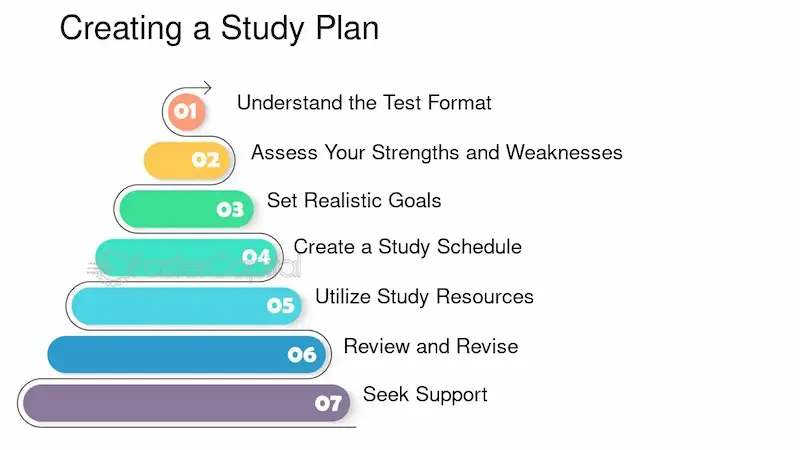
The first step in smart revision is planning. A clear schedule keeps you on track and ensures you don’t waste time wondering what to study next.
- Break your syllabus into topics: Divide your subjects into small, manageable sections.
- Prioritize based on importance: Focus on topics with higher marks or those you find difficult.
- Allocate time wisely: Avoid spending too long on one topic at the expense of others.
- Include short breaks: Study for 50 minutes and take a 10-minute break to refresh your mind.
Pro Tip: Use digital planners or apps like Google Calendar or Notion to visually organize your study schedule. Color-code subjects for better clarity.
2. Active Recall: Test Yourself
Passive reading is not enough. Active recall is one of the most effective smart revision techniques for exams because it forces your brain to retrieve information, strengthening memory retention.
- How to practice: After reading a topic, close your book and try writing down everything you remember.
- Use flashcards: Write questions on one side and answers on the other. Apps like Anki or Quizlet make this easy.
- Self-quizzing: Ask yourself questions at the end of every chapter or topic.
Why it works: When you actively recall information, your brain creates stronger neural connections, making it easier to remember during exams.
3. Make Mind Maps and Visual Notes
Visual learning can dramatically improve retention, especially for complex subjects. Mind maps, charts, and diagrams allow you to see the relationships between ideas.
- Mind maps: Start with the main topic in the center and branch out subtopics around it.
- Diagrams & flowcharts: Perfect for processes, timelines, and formulas.
- Highlight key points: Use colors, symbols, or stickers to emphasize important concepts.
Pro Tip: Draw your mind maps by hand rather than digitally—handwriting improves memory recall.
4. Teach What You Learn
Explaining a topic to someone else is a fantastic way to test your understanding. This technique is called the “Feynman Technique.”
- How to do it: Pretend you are teaching the topic to a class or even a friend. If you can explain it clearly, you’ve mastered it.
- Self-teaching: Record yourself explaining topics or speak out loud in front of a mirror.
- Spot gaps: When you struggle to explain, you know which areas need more attention.
Pro Tip: Teaching not only reinforces your knowledge but also builds confidence for oral exams or presentations.
5. Practice Past Papers
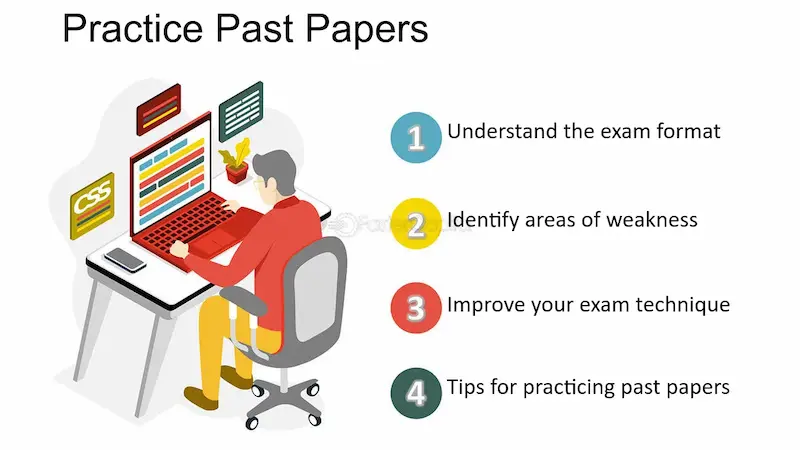
Past papers are a goldmine for exam preparation. They give you insight into the exam structure and the type of questions likely to appear.
- Simulate exam conditions: Time yourself and avoid distractions to mimic real exam pressure.
- Identify patterns: Note recurring questions or commonly tested topics.
- Analyze mistakes: Review errors and revise those topics thoroughly.
Pro Tip: Combine past papers with mark schemes to understand what examiners expect in answers.
6. Spaced Repetition
Spaced repetition is a scientifically proven method to improve long-term memory. Instead of cramming, you review topics at increasing intervals.
- Example schedule:
- Review immediately after learning
- Review the next day
- Review after 3 days
- Review after a week
- Review after two weeks
- Review immediately after learning
Why it works: Spaced repetition strengthens memory retention and reduces the forgetting curve.
7. Focus on Weak Areas
Smart revision isn’t about revising what you already know. Identify your weak points and allocate extra time to improve them.
- Self-assessment: Test yourself and list the topics you struggle with.
- Targeted revision: Spend 60% of your time on weak areas and 40% on strong areas.
- Use different methods: If a topic is difficult, try videos, mnemonics, or peer discussion.
Pro Tip: Track your progress with checklists or revision trackers to stay motivated.
You may also like to read this:
Top Online Courses With Certificate For Career Growth
How To Prepare For Exams Fast – Last-Minute Study Tips
Effective Last Minute Exam Preparation Tips For Students
Time Management Tips For Exams – Study Smarter & Faster
How To Reduce Exam Stress: Tips For Students
8. Use Mnemonics and Memory Tricks
Mnemonics, acronyms, and rhymes make remembering lists or facts easier. They’re a simple yet powerful part of smart revision techniques for exams.
- Example: To remember the order of planets: “My Very Educated Mother Just Served Us Noodles” (Mercury, Venus, Earth…).
- Rhymes & songs: Turn facts into short rhymes or catchy tunes.
- Chunking: Break long sequences into smaller, memorable chunks.
Pro Tip: The sillier or funnier the mnemonic, the easier it is to remember.
9. Take Regular Breaks and Stay Active
Your brain can only focus for so long. Incorporating breaks improves concentration and prevents burnout.
- Pomodoro Technique: Study 25 minutes, take a 5-minute break. Repeat 4 cycles, then take a longer break.
- Physical activity: Stretch, walk, or do light exercises during breaks to increase blood flow to the brain.
- Avoid screen distractions: During breaks, avoid social media—opt for refreshing activities instead.
10. Stay Healthy and Hydrated
Good nutrition, sleep, and hydration are often overlooked but crucial for effective revision.
- Sleep: Aim for 7-8 hours to consolidate memory and refresh your mind.
- Nutrition: Eat brain-friendly foods like nuts, fruits, eggs, and fish.
- Hydration: Dehydration can affect focus—keep water nearby.
Pro Tip: A short 10-15 minute meditation or breathing exercise can reduce exam stress significantly.
11. Maintain a Positive Mindset
Your attitude plays a huge role in how effectively you revise. A positive mindset reduces stress and helps you stay motivated.
- Set realistic goals: Don’t aim for perfection; aim for progress.
- Celebrate small wins: Completing a topic or solving difficult questions is worth acknowledging.
- Avoid negative self-talk: Replace “I can’t do this” with “I can learn this.”
Conclusion
Using smart revision techniques for exams transforms your study routine from overwhelming and stressful to structured and productive. By planning ahead, using active recall, practicing past papers, focusing on weak areas, and taking care of your health and mindset, you maximize your chances of success while keeping anxiety in check.
Remember, it’s not about studying longer—it’s about studying smarter. Start applying these techniques today, and watch your confidence and exam performance improve dramatically.
FAQs About Smart Revision Techniques for Exams
1. What are smart revision techniques for exams?
Smart revision techniques are methods that help you study efficiently and retain more information without cramming. They include strategies like active recall, spaced repetition, mind maps, past papers practice, and focused revision on weak areas.
2. How can I make a revision plan for exams?
Start by dividing your syllabus into small topics. Assign each topic to specific days and prioritize difficult or high-mark subjects. Include short breaks and review sessions to strengthen memory. Using color-coded timetables can make it easier to follow.
3. What is active recall, and why is it effective?
Active recall involves testing yourself on what you’ve learned rather than just rereading notes. It strengthens neural connections in the brain, making it easier to remember information during exams. Flashcards, self-quizzing, and practice questions are great ways to apply it.
4. How does spaced repetition help in exam preparation?
Spaced repetition means reviewing information multiple times at increasing intervals. This method improves long-term memory retention and prevents forgetting, ensuring the material stays fresh in your mind until exam day.
5. Should I focus more on weak areas or strong areas?
Focus more on weak areas because they usually need extra attention to improve. However, don’t completely ignore your strong topics—balance is key. A good rule is 60% of revision on weak areas and 40% on strong ones.


