


We all know the feeling—the exam is just around the corner, and you’re staring at your notes wondering where to start. Don’t panic! Even if you have only a few hours or a day left, you can still prepare effectively.
With the right approach, last minute exam preparation tips can turn stress into confidence. Let’s break it down in a practical, easy-to-follow way.
1. Prioritize Topics Wisely
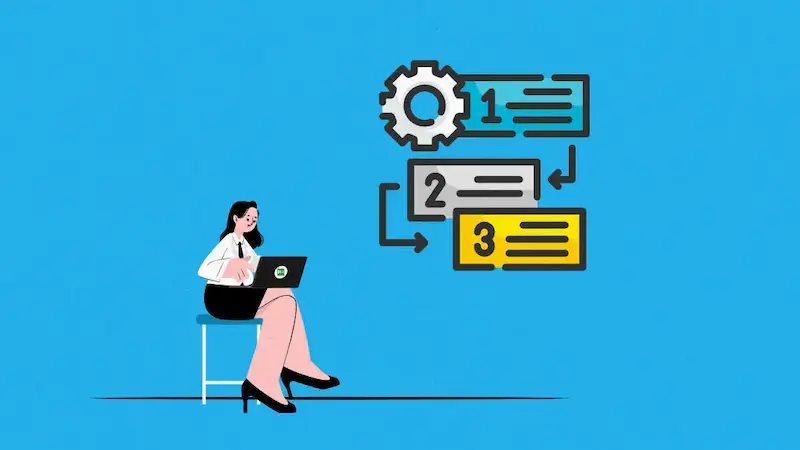
When time is limited, you can’t afford to study everything in depth. The first step is prioritization:
- Check your syllabus or exam pattern: Know which chapters or sections are most important.
- Focus on high-weightage topics: These are the sections that carry the most marks in your exam.
- Identify weak areas: Spend extra time on topics you struggle with rather than re-reading what you already know well.
Example: If your history exam has 10 chapters and Chapter 3 and 7 often appear in exams, focus more on those instead of trying to read all 10 chapters in detail.
2. Create a Quick Study Schedule
Even in last-minute preparation, planning is essential:
- Divide your available hours into small, manageable blocks (e.g., 50 minutes study + 10 minutes break).
- Assign time to topics based on importance and difficulty.
- Leave 30–60 minutes at the end for revision of formulas, definitions, or key points.
Tip: Write your schedule on a sticky note and place it on your study desk. Seeing a visual plan reduces stress and keeps you on track.
3. Use Active Recall Instead of Passive Reading
Reading notes over and over is not effective in the short term. Active recall strengthens memory faster:
- Close your book and recite key points aloud.
- Try writing down answers without looking at notes.
- Use flashcards for formulas, dates, or definitions.
Why it works: Your brain remembers information better when you actively retrieve it rather than just read it.
4. Teach What You Learn
One of the fastest ways to reinforce memory is teaching:
- Explain concepts to a friend or family member.
- If no one is around, pretend you are teaching an imaginary audience.
- Break complex ideas into simple language—it helps you understand and remember better.
Example: Explaining Newton’s laws to a sibling forces you to recall and structure your knowledge clearly.
You may also like to read this:
Best Online Skill Development Courses For Career Growth
Beginner Friendly Online Classes: Learn New Skills From Home
Top Self Paced Online Learning Programs For Skill Growth
Top Online Courses With Certificate For Career Growth
How To Prepare For Exams Fast – Last-Minute Study Tips
5. Solve Past Papers and Practice Questions
Past exam papers are gold for last-minute preparation:
- They reveal question patterns and frequently asked questions.
- Simulate exam conditions by timing yourself while solving papers.
- Review mistakes immediately to avoid repeating them.
Pro Tip: Focus on solving questions from chapters you just revised. This reinforces learning and boosts confidence.
6. Make Quick Notes and Mnemonics
Condense large topics into short, memorable notes:
- Use mnemonics for lists or sequences.
- Write formulas or key definitions on sticky notes or in the margin.
- Summarize long paragraphs into one-line points.
Example: To remember the planets’ order, “My Very Educated Mother Just Served Us Noodles” works better than memorizing a paragraph.
7. Stay Hydrated and Eat Smart
Your brain needs fuel to function at its best:
- Drink plenty of water to stay alert.
- Eat light, nutritious snacks like fruits, nuts, or yogurt.
- Avoid heavy meals or junk food that make you sleepy.
Even in last-minute preparation, your energy and focus are crucial.
8. Take Short Breaks

Studying for hours non-stop can reduce efficiency:
- Follow the 50/10 or 25/5 rule (study 50/25 minutes, break 10/5 minutes).
- Use breaks to stretch, breathe, or take a short walk.
- Avoid using social media during breaks—it reduces focus.
9. Avoid Multitasking
Distractions are your worst enemy in last-minute preparation:
- Keep your phone on silent or in another room.
- Focus on one topic at a time.
- Avoid switching between topics repeatedly—it wastes mental energy.
10. Use the “Pomodoro Technique”
This technique is perfect for last-minute cramming:
- Set a timer for 25–30 minutes and study intensively.
- Take a 5-minute break, then repeat.
- After four cycles, take a longer 15–20 minute break.
This method improves concentration and prevents burnout.
11. Stay Calm and Positive
Panic and stress reduce your ability to recall information:
- Practice deep breathing or short meditation before studying.
- Tell yourself that even a few hours of focused study can make a difference.
- Maintain a positive attitude—confidence improves performance.
12. Sleep Strategically
It might be tempting to pull an all-nighter, but sleep is critical:
- Even 4–6 hours of sleep is better than none.
- Sleep helps your brain consolidate memory, so you can recall better in the exam.
- Avoid late-night distractions—rested brains perform much better.
13. Quick Revision Before the Exam
- In the last 30–60 minutes, skim through formulas, key definitions, and important points.
- Avoid learning new topics—focus on what you already studied.
- Use flashcards or one-page summary notes for rapid review.
Conclusion
Even with limited time, strategic preparation can significantly boost your exam performance. By prioritizing topics, using active recall, practicing past papers, and staying calm, you can turn a stressful situation into a successful outcome.
Follow these last minute exam preparation tips, plan wisely, and remember: focused, smart studying often beats cramming mindlessly. You still have the power to make your last hours count!
FAQs on Last Minute Exam Preparation Tips
1. Can I really score well if I start preparing at the last minute?
Yes! While starting early is ideal, focused last-minute preparation using active recall, past papers, and prioritization can still significantly improve your performance. The key is smart studying, not just the number of hours.
2. How many hours before an exam should I start last-minute preparation?
Ideally, dedicate at least 6–12 hours for intensive study if the exam is the next day. Use shorter blocks (25–50 minutes each) with breaks in between to maximize focus.
3. Should I try to cover all topics during last-minute preparation?
No. Focus on high-weightage chapters, difficult topics, and areas you are less confident in. Quality matters more than trying to cram everything at once.
4. Is it better to study new topics or revise what I already know?
Prioritize revision and reinforcement of already studied topics. Learning completely new material at the last minute can increase stress and reduce retention.
5. Can I pull an all-nighter to prepare for exams?
All-nighters are not recommended. Even a few hours of quality sleep are better for memory consolidation and concentration. Pulling an all-nighter can harm your performance.


